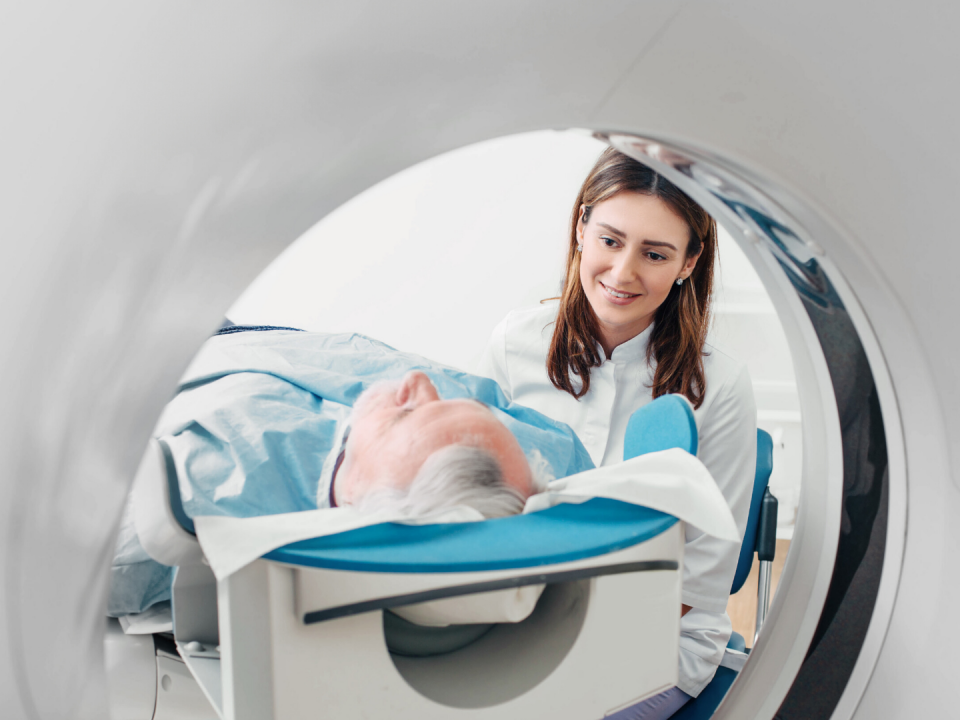
Early detection of prostate cancer is key
Did you ever hear the phrases “what you don’t know won’t hurt you”, or “ignorance is bliss”?
Well, this is simply not true about many things, in particular prostate cancer. The Canadian Cancer Society tells us that if prostate cancer is found and treated early, the chances of successful treatment are far greater.
Because most symptoms of prostate cancer are slow coming and difficult to detect, the majority of prostate cancer cases are only diagnosed at later stages.
Here is a list of symptoms to look for when checking for prostate cancer:
1. Interrupted Urination
There can be many benign reasons for an interrupted flow of urination but because the prostate gland is so close to the urethra, it often interferes with it’s flow.
2. Urge To Urinate Frequently
Some men find that after they relieve themselves, they need to go again due to an incomplete emptying of the bladder. This can be a symptom of prostate cancer so have it checked asap.
3. Frequent Nighttime Urination and Bowel Movements
Irregular bowel movements and frequent nighttime urination may also be signs of prostate cancer.
4. Pain While Urinating
Dehydration can also cause pain but if symptoms don’t go away in a few days, see your doctor.
5. Blood in the Urine
Blood in urine can indicate a series of conditions not related to prostate cancer. If your urine is pink, red, or tea-colored, see your doctor. Sometimes blood is present but not visible to the naked eye.
6. Constipation and Intestinal Distress
Prostate gland problems increase because constipation places pressure on the gland.
7. Pain in the Lower Back
Although lower back aches can have many causes, it could point to advanced prostate cancer that has spread to the bones of the lower back.
8. Pain Around the Upper Thighs
Deep pain at the groin should be checked out by a doctor if it can not be attributed to exercise or injury.
9. Pain in the Hips
A deep pain in the hip can be a sign of prostate cancer.
10. Urinary Incontinence
The prostate gland's proximity to the urethra can oftentimes interfere with the urinary system.
If you believe that you may be experiencing any of these symptoms, don’t hesitate to contact your doctor. There are 2 types of tests available:
The prostate-specific antigen (PSA) test is a blood test that measures a prostate-specific antigen. The normal level of PSA increases as you get older therefore, the PSA test does not diagnose cancer. It simply tells us that there might be a problem with the prostate.
A digital rectal exam (DRE) This is a physical examination of the prostate through the rectum. The doctor inserts a gloved finger into the rectum to feel the prostate for anything that seems unusual.
If the result of one or both of these tests is abnormal, your doctor will probably recommend a prostate biopsy to know for sure if you have cancer. Once diagnosed with prostate cancer, clinical trials are a point to be considered. In recent years, injections such as Lupron, Prostap and Zoladex have become available for cancer patients thanks to clinical trials and research. Also, thanks to clinical studies, your doctor will be able to provide prescriptions for pain as needed.
It is a myth that clinical trials are only for people who have advanced cancer and/or not responding to treatment. Having cancer is bad enough, treatment should be easy. Supporting cancer research in this way combined with donations will win the battle against cancer once and for all.